
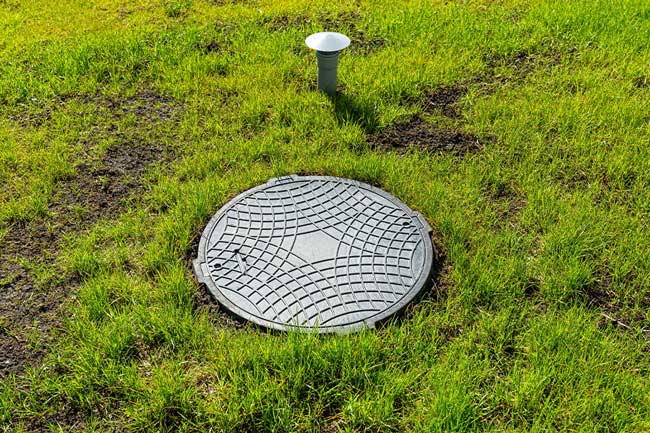
As spring approaches in Glastonbury, CT, it’s essential to guarantee your plumbing system is up to par. You might overlook certain aspects of your plumbing, but a little attention now can prevent bigger problems later. From checking for leaks to testing outdoor faucets, there are several steps you can take to prepare. Keep in mind, each task plays an important role in maintaining efficiency and avoiding costly repairs. Curious about the specific steps you should take?
Inspect Your Pipes for Leaks
As spring arrives and the thaw begins, it’s the perfect time to inspect your pipes for leaks. The winter months can be tough on your plumbing, and any unnoticed damage can lead to bigger issues down the line.
Start by checking exposed pipes in your basement, crawl space, or under sinks. Look for signs of water stains, corrosion, or mold, which can indicate leaks. Don’t forget to check your water meter; if it’s running while no water is in use, you might’ve an underground leak.
You should as well run your faucets and showerheads for any irregular flow or drips. Paying attention to these details can save you from costly repairs later. Additionally, addressing leaks early can prevent serious damage to your plumbing system, ensuring it remains functional throughout the season.
If you find any leaks, it’s best to call a professional. SM Mechanical Services is ready to help you with expert repairs and guarantee your plumbing is in top shape for the warmer months ahead.
Clean Your Gutters and Downspouts
Cleaning your gutters and downspouts is crucial for preventing water damage to your home.
When you keep them clear, you boost drainage efficiency and protect your foundation.
Plus, a tidy gutter system improves your home’s curb appeal, making it look well-maintained and inviting. Additionally, proper maintenance of your plumbing system contributes to indoor air quality by preventing moisture buildup that can lead to mold growth.
Prevent Water Damage
When spring arrives, ensuring your gutters and downspouts are clear can save you from costly water damage later. Clogged gutters can cause water to overflow, leading to leaks in your roof and walls.
Take the time to inspect and clean them regularly, particularly after winter. Remove leaves, twigs, and debris that can block the flow of water.
Make sure downspouts direct water away from your foundation to prevent pooling. If you notice any damage to your gutters, consider making repairs or replacements now to avoid bigger issues down the line.
Keeping your gutters functioning properly not only protects your home but is also crucial for maintaining its value.
Don’t wait—start this important spring maintenance task today!
Improve Drainage Efficiency
Clogged gutters and downspouts can lead to serious drainage issues, making it crucial to keep them clean and functioning efficiently.
During spring, leaves, twigs, and other debris can accumulate, blocking water flow. To prevent this, you should inspect your gutters regularly and remove any clogs.
Use a sturdy ladder and wear gloves for safety while clearing away the buildup. Don’t forget to check downspouts too; they should direct water away from your home’s foundation.
If you notice any leaks or damage, repair them promptly to avoid further issues.
Enhance Curb Appeal
If you want to boost your home’s curb appeal this spring, tackling your gutters and downspouts is essential. Clogged gutters can lead to water damage and create an unkempt look.
Start by removing leaves, twigs, and debris to guarantee smooth water flow. While you’re at it, check for any rust, holes, or misalignments. If you find any issues, consider replacing sections or sealing leaks to prevent further problems.
Don’t forget to flush the downspouts with water to clear any blockages. By maintaining your gutters, you not only improve your home’s appearance but likewise protect it from potential water damage.
A little effort now goes a long way in keeping your property looking its best this spring!
Check Your Sump Pump
As spring brings more rain, it’s crucial to check your sump pump to prevent flooding.
Start by inspecting for any blockages that could hinder its performance, then test the pump to verify it’s functioning properly. Finally, clear the drainage area to promote efficient water flow and keep your basement dry.
Inspect for Blockages
One crucial spring task is to check your sump pump for blockages. Over time, debris like dirt, leaves, and even small rocks can accumulate in the sump pit, obstructing the pump’s drainage ability.
Start by removing the sump pump cover and inspecting the pit for any visible debris. If you notice buildup, carefully clean it out to guarantee proper flow.
Next, check the discharge line for clogs. A blocked line can prevent water from being expelled effectively, leading to potential flooding.
You might likewise want to inspect the float switch to ascertain it moves freely and isn’t trapped by any obstructions.
Keeping your sump pump clear of blockages is critical for preventing water damage as spring rains arrive.
Test Pump Functionality
After confirming your sump pump is free of blockages, it’s time to test its functionality.
Start by plugging it in and pouring a bucket of water into the sump pit. Watch for the pump to activate; it should turn on and begin pumping the water out. If it doesn’t, check the power source and circuit breaker.
It’s additionally vital to listen for any unusual noises during operation, which may indicate a mechanical issue. If everything seems fine, let it run for a few minutes to verify it’s working efficiently.
Regular testing helps prevent unexpected failures during heavy spring rains, so make this a part of your seasonal maintenance routine. Your home will thank you!
Clean Drainage Area
Cleaning the drainage area around your sump pump is vital for peak performance. Over time, debris, leaves, and mud can accumulate, blocking water flow and putting excess strain on your pump.
Start by clearing away any visible debris around the sump pit. Then, check the discharge pipe to make certain it’s clear and free from obstructions. This helps water flow freely away from your home, reducing the risk of flooding.
After cleaning, run the sump pump to confirm it’s functioning properly. A clean drainage area not only improves your pump’s efficiency but also prolongs its lifespan.
If you encounter persistent issues, consider reaching out to SM Mechanical Services for expert assistance. Keeping your sump pump in top shape is fundamental for spring preparedness.
Test Your Outdoor Faucets
As spring approaches and temperatures rise, it’s the perfect time to test your outdoor faucets to confirm they’re ready for the season.
Start by turning on each faucet to check for any leaks or drips. If you notice water seeping from the faucet or the hose bib, it’s a sign that repairs are needed.
Next, inspect the hoses and connections for cracks or wear. Replace any damaged hoses to prevent leaks when you start watering your garden or washing your car.
Don’t forget to check the shut-off valves; ascertain they’re functioning properly, so you can easily turn off the water supply if needed.
Finally, flush out the lines by running the water for a few minutes. This helps clear any debris that may have accumulated over winter. Additionally, ensuring that your home’s plumbing is in good condition can significantly contribute to improved indoor air quality, as leaks can lead to mold growth and other pollutants.
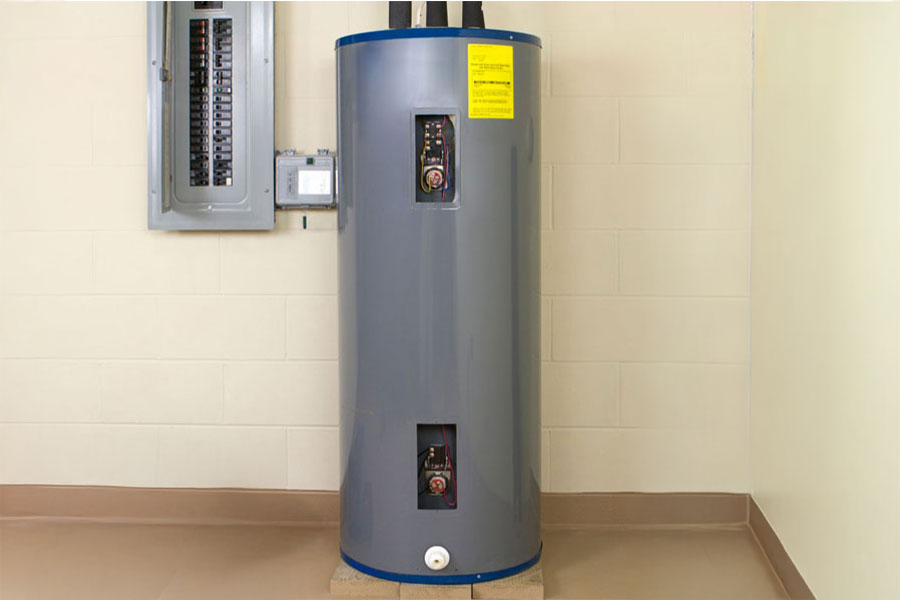
Flush Your Water Heater
Now that you’ve tested your outdoor faucets, it’s time to turn your attention to your water heater.
Flushing your water heater is crucial to remove sediment buildup, which can affect its efficiency and lifespan. Start by turning off the power supply or gas to the unit.
Next, connect a garden hose to the drain valve at the bottom of the heater and run it outside or into a bucket. Open the valve and let the water flow until it runs clear, which usually takes about 10-15 minutes.
Remember to open the pressure relief valve to allow air in, making the draining process easier.
Once done, close the drain valve, disconnect the hose, and refill the heater. Finally, turn the power or gas back on.
Regularly flushing your water heater will keep it running smoothly and guarantee you have hot water when you need it.
Examine Your Sprinkler System
A thorough examination of your sprinkler system is essential for ensuring your lawn stays vibrant and healthy throughout the spring.
Start by checking for any visible leaks or broken heads, as these can waste water and hinder your system’s performance. Make sure the spray patterns are even and adjust any misaligned heads to avoid watering sidewalks or driveways.
Next, inspect the drip irrigation lines for clogs or damage. Clear any debris that might be obstructing water flow. Test the system by running it for a short period and observing how well each zone operates.
Don’t forget to check the timer and adjust it according to the changing weather and lawn needs.
Finally, consider adjusting the watering schedule to avoid overwatering during rainy spells. By taking these steps, you can set up your sprinkler system for a successful spring season.
Schedule a Professional Plumbing Inspection
Scheduling a professional plumbing inspection can save you time and money in the long run, especially as spring brings changes in weather and usage patterns.
With the increased use of your plumbing systems, it’s crucial to guarantee everything’s functioning properly. A licensed technician from SM Mechanical Services can identify potential issues before they become costly repairs.
During the inspection, they’ll check for leaks, inspect your pipes, and assess your water heaters and fixtures.
This proactive approach not only helps you avoid unexpected breakdowns but likewise improves the efficiency of your plumbing system.
Conclusion
As you prepare your plumbing for spring, think of it like tuning up your car before a road trip. Just as you wouldn’t hit the highway without checking your tires and oil, don’t overlook these essential plumbing tasks. By taking these proactive steps, you’re not just preventing future headaches; you’re ensuring your home runs smoothly all season long. So roll up your sleeves and give your plumbing the attention it deserves—your home will thank you!