
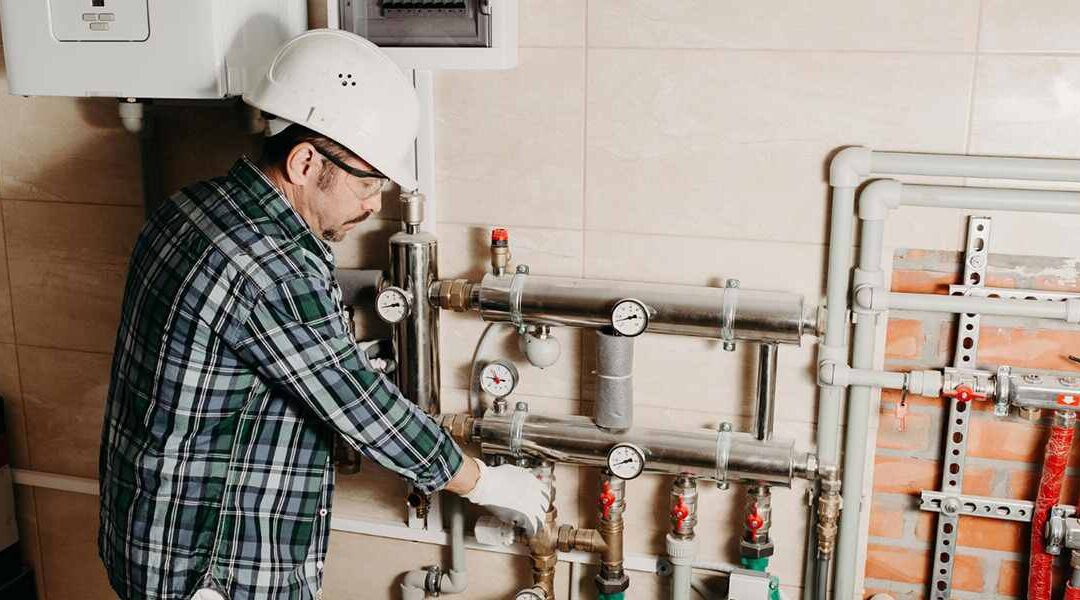
Natural gas boiler maintenance means watching for warning signs, keeping the unit ventilated, protecting pipes from freezing, and leaving pressure adjustments and internal repairs to a licensed technician. Regular checkups catch small issues before they become safety hazards or expensive breakdowns, which matters most during Glastonbury’s cold winters when your boiler runs constantly.
Colder weather calls for a heating system you can count on, and a natural gas boiler is one of the more efficient options since it can heat both your property and your water at once. But that efficiency depends on consistent upkeep. Below is what Glastonbury homeowners should know about keeping a natural gas boiler running safely, including what you can reasonably handle yourself and what should always go to a licensed professional.
What Are the Warning Signs of a Failing Gas Boiler?
Gas boilers usually show signs of trouble before they break down completely. Scheduled boiler maintenance helps reduce how often these issues appear, but it still helps to know what to watch for between visits:
- Leaky pipes around the unit
- Poor or inconsistent water pressure
- Whistling or banging noises coming from the boiler
- Energy bills that climb without an obvious explanation
- The boiler shutting off on its own
- A pilot light that keeps going out
- A pilot light that burns yellow or orange instead of blue
If you notice a rotten egg smell or start feeling lightheaded inside your home, take it seriously. These are signs of a possible gas leak, and propane behaves the same way once it becomes gaseous, so the risk applies whether your system runs on natural gas or propane.
If you suspect a gas leak, leave the property immediately, leaving doors open behind you, and stay at least 330 feet away from the building. Call emergency services first, then contact your boiler maintenance company for emergency repairs once it is safe to do so.
Why Does a Gas Boiler Need Proper Ventilation?
Boiler rooms often double as storage space, but items stored too close to the unit can crowd it and hide early signs of leaks, piping problems, or sealant failures. A natural gas boiler also needs open airflow around it for the combustion process to work correctly, so a crowded boiler room can affect how well your unit heats water in the first place.
If you are having water temperature issues, start by clearing anything stored around the unit. As a general guideline, smaller units need at least 30 centimeters of clearance from the back wall, while larger units need at least 60 centimeters. If your boiler seems closer to the wall than that, it is worth having a technician confirm whether the original installation meets clearance requirements rather than assuming the space is fine.
Why Does Boiler Water Pressure Matter?
Your boiler’s water pressure is a useful indicator of how well the unit is running. Pressure that reads too high or too low often points to an internal issue or an environmental factor affecting the system, and either extreme can affect efficiency over time.
Because pressure adjustments involve the risk of a hot water burst if done incorrectly, this is one task best left to a licensed technician rather than something to troubleshoot on your own. If you notice a pressure gauge reading outside the normal range listed in your boiler’s manual, that is a good reason to schedule a service visit rather than adjust the valve yourself.
Should You Test Your Boiler During the Off Season?
Connecticut homeowners typically do not need heat for several months out of the year, which means a boiler can sit unused all summer. The problem is that the last thing you want is a malfunction the moment you actually need heat again.
A simple monthly test can help. Turn the heating system on for a few minutes even during the off season to confirm it still produces the steam or hot water needed to warm your property. If something feels off during that quick test, it is much easier to schedule a repair in July than to discover a problem during the first cold snap of the season.
How Does Insulation Affect Your Boiler’s Efficiency?
If your energy bills seem high relative to how warm your home actually feels, it is easy to assume the boiler itself is outdated or failing. Sometimes the real issue is insulation around the boiler room that allows heat to escape into other areas instead of staying where it is needed.
If the insulation around the boiler looks fine, it is worth thinking through a few related questions:
- Are your window seals still doing their job
- Is your roof properly insulated against heat loss
- Which vents stay open while the heater is running
- When were the pipelines in your floors last checked
- What type of insulation is in your exterior walls
- Are doors or windows regularly left open while the heat is on
Working through these questions can help you and your technician narrow down where heat loss is actually happening.
How Do You Protect Boiler Pipes From Freezing in Glastonbury Winters?
Glastonbury winters get cold, with average temperatures dropping to around 30 degrees Fahrenheit by January. That kind of cold can freeze water inside exterior pipes, and if water cannot reach your boiler, it cannot heat or circulate through your property.
Letting faucets drip overnight during hard freezes helps keep water moving, and adding insulation to exposed exterior pipes, sometimes called lagging, provides an extra layer of protection. Left unprotected, frozen pipes can expand and crack, leading to leaks or bursts that are far more expensive to repair than the insulation would have cost. If your home has hard to reach piping, our team can also help identify energy efficient heating upgrades that reduce strain on your system during the coldest months.
If your home still runs on an older oil boiler, this is also a good time to consider a switch. Natural gas tends to run cleaner and more efficiently, and our team handles oil to natural gas boiler conversions in Glastonbury for homeowners ready to make the change before winter sets in.
Trust a Licensed Team With Your Glastonbury Boiler
Natural gas boiler maintenance involves a mix of tasks. Some, like clearing space around the unit, running a monthly off season test, or insulating exposed pipes, are reasonable for a homeowner to handle. Others, especially anything involving water pressure, internal components, or a suspected gas leak, should always go to a licensed professional.
In our service calls throughout Glastonbury, from homes near Hubbard Green to properties along Griswold Street, our technicians see the same pattern every winter: the boilers that get regular attention are the ones that make it through the season without a breakdown. SM Mechanical Services offers licensed and insured professional heating services and seasonal boiler maintenance visits for homes across Glastonbury and the surrounding area. If it has been a while since your boiler was checked, schedule your boiler maintenance visit today before the next cold stretch arrives.
Frequently Asked Questions About Natural Gas Boiler Maintenance
How often should a natural gas boiler be serviced?
Most natural gas boilers should be professionally serviced once a year, ideally before the heating season begins. Homes with older units or a history of issues may benefit from more frequent checkups to catch small problems before they turn into breakdowns.
What are signs my boiler needs repair?
Common signs include leaky pipes, whistling or banging noises, a pilot light that will not stay lit or burns yellow instead of blue, and energy bills that climb without explanation. Any of these signs are worth a professional inspection rather than waiting for the issue to get worse.
Is it safe to adjust my boiler’s water pressure myself?
Adjusting boiler pressure carries a real risk of a hot water burst if done incorrectly, so it is best left to a licensed technician. If your pressure gauge reads outside the normal range, schedule a service visit instead of attempting the adjustment yourself.
What should I do if I smell gas near my boiler?
Leave the property immediately, leaving doors open behind you, and stay at least 330 feet away from the building. Call emergency services first, then contact a licensed boiler technician once it is safe to do so.
How can I prevent my boiler pipes from freezing in winter?
Letting faucets drip during hard freezes keeps water moving through the pipes, and insulating exposed exterior pipes adds another layer of protection. Both steps are simple ways to avoid the cracked or burst pipes that cold Glastonbury winters can cause.