
Berlin’s older neighborhoods and varied housing stock present a range of considerations when upgrading home water-heating systems. Whether the home sits along Worthington Ridge or in one of the residential developments near Kensington, the decision to switch to a tankless water heater involves more than simply swapping one unit for another. There are sizing requirements, fuel-source decisions, plumbing compatibility questions, and permitting steps that need to be worked through before installation begins. Understanding these factors in advance leads to better outcomes and avoids the kind of surprises that come with underprepared installations.
What Is a Tankless Water Heater and How Does It Work?
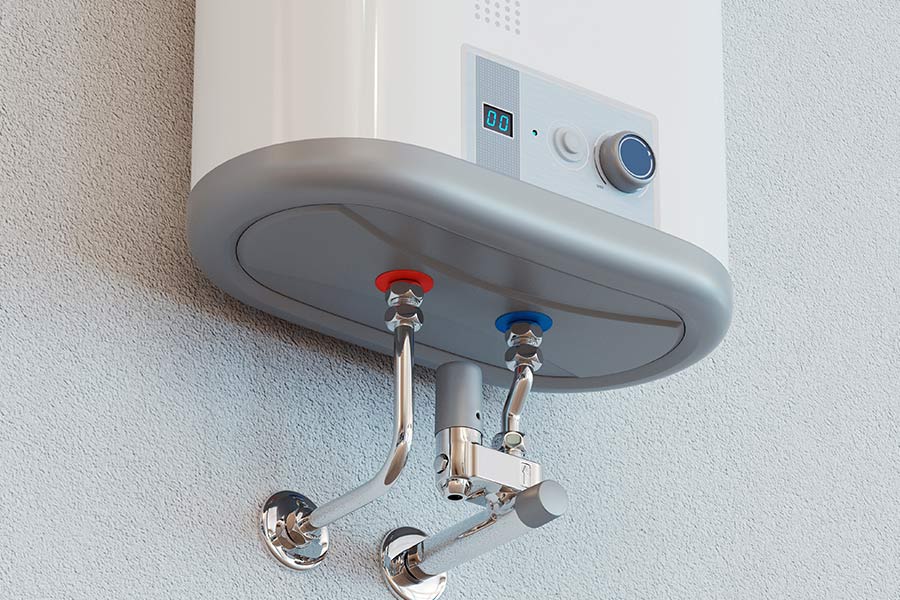
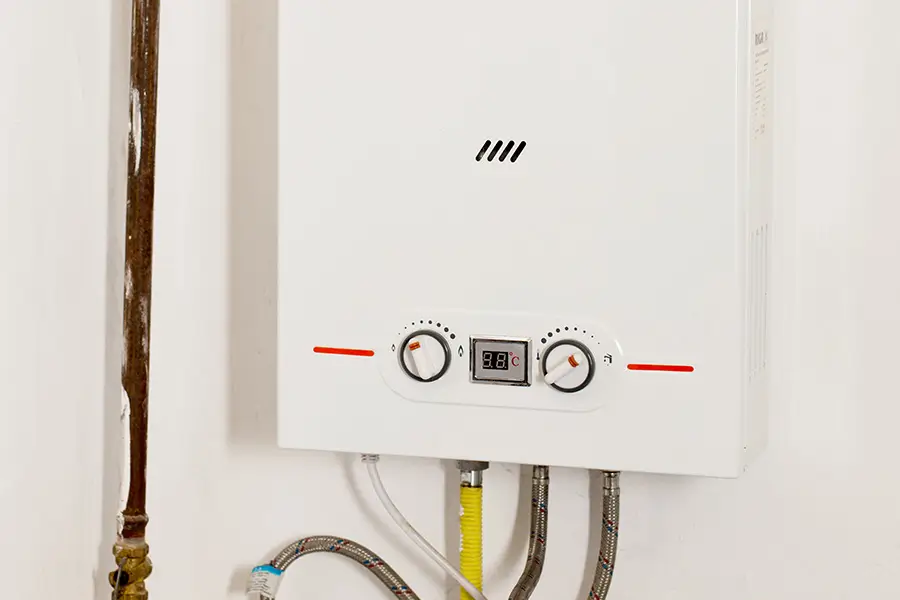
A tankless water heater, also called an on-demand water heater, heats water directly as it flows through the unit rather than storing a pre-heated supply in a tank. When a hot water tap is opened anywhere in the home, cold water enters the unit. It passes over either a gas burner or an electric heating element, which brings it to temperature immediately before it reaches the fixture.
The practical result is a continuous supply of hot water without the standby heat loss associated with traditional tank systems. Because the unit only activates when hot water is actually needed, energy is not spent maintaining a tank temperature during the hours when no one is drawing water.
These units are also considerably more compact than traditional tank water heaters, making them a practical fit for Berlin homes with limited mechanical room space. Proper installation by a licensed plumbing contractor ensures the unit performs at its rated capacity and meets all local code requirements from day one.
Key Benefits of Switching to a Tankless System
The advantages of tankless water heaters extend well beyond the convenience of endless hot water. For Berlin households with high simultaneous demand, such as multiple bathrooms, a dishwasher, and a washing machine running at the same time, a properly sized tankless unit handles that load without the recovery time a traditional tank requires.
The benefits worth understanding before making the decision include:
- Energy savings: Tankless systems eliminate standby heat loss, which accounts for a meaningful portion of traditional water heater energy consumption. Lower operating costs over the unit’s life offset the higher upfront investment.
- Longer equipment lifespan: Tankless units typically outlast conventional tank water heaters by a significant margin, reducing the frequency of full replacements over the time a family owns the home.
- Space efficiency: The wall-mounted form factor of most tankless units reclaims floor space that a traditional tank occupies, which matters in mechanical rooms, closets, or utility areas where space is already constrained.
- Consistent water temperature: Rather than drawing from a tank that gradually cools as hot water is used, tankless systems deliver a consistent temperature output as long as the tap is open.
For Berlin homeowners evaluating the switch, the long-term economics tend to favor tankless systems, particularly in households with above-average hot water demand.
Factors to Consider Before Installation in Berlin, CT
A successful tankless water heater installation depends on getting several pre-installation questions answered correctly. Rushing past these steps is where most problems originate.
- Hot water demand assessment: Unit sizing is based on the flow rate and temperature rise required at peak usage. An undersized unit will struggle to keep up, while an oversized unit represents unnecessary expense. A professional load calculation produces the right answer.
- Fuel source: Gas-fired tankless units generally deliver higher flow rates and lower operating costs than electric models, but they require adequate gas line capacity and proper venting. Electric units have simpler installation requirements but may require electrical panel upgrades to support the load.
- Plumbing and electrical compatibility: Existing pipe diameter, material, and configuration affect how the new unit connects to the home’s water supply. Older Berlin homes, in particular,r may have plumbing that requires updating before a tankless installation can proceed correctly.
- Permits and local codes: Berlin has building code requirements for water heater installations. Permits are required, and the work must be inspected. A licensed technician handles this process during installation, ensuring the work is code-compliant from the start.
- Full cost budgeting: The unit’s purchase price is one component of the total investment. Gas line modifications, electrical upgrades, venting changes, and permit fees all contribute to the final cost and should be accounted for in the planning stage.
Common Misconceptions About Tankless Water Heaters
Several persistent misconceptions about tankless systems lead homeowners to either overestimate or underestimate their capabilities. Addressing them directly helps set accurate expectations.
- “They cannot keep up with multiple simultaneous demands”: A properly sized tankless unit handles concurrent hot water draws without difficulty. The keyword is properly sized. A unit selected based on accurate load calculations performs as expected under real household conditions.
- “They are too expensive to justify”: The upfront cost of a tankless unit is higher than a traditional tank water heater, but the comparison needs to account for lower operating costs over a longer service life. For many households, the total cost of ownership over ten to fifteen years favors the tankless option.
- “Installation requires major home modifications”: Many installations are straightforward, particularly when a licensed technician assesses the existing infrastructure beforehand and identifies any modifications needed. Surprises during installation typically trace back to a skipped pre-installation assessment.
- “They do not perform well in cold climates”: Connecticut winters do affect incoming water temperatures, which is a relevant factor in unit sizing. A unit selected with cold-climate groundwater temperatures in mind performs reliably year-round, which is another reason accurate sizing matters.
How Can a Professional Help With Your Installation?
The quality and longevity of a tankless water heater installation depend heavily on the technician performing the work. Incorrect sizing, improper venting, inadequate gas supply, or code-noncompliant connections all undermine the system’s performance and can create safety concerns that are difficult to trace back to their source.
A licensed installation includes a proper load calculation, fuel supply verification, venting design, code-compliant connections, and a final inspection. For Berlin homeowners also evaluating heating services alongside a water heater upgrade, SM Mechanical Services handles both, coordinating the projects under one roof to simplify scheduling and ensure full system compatibility.
The conversation with the technician before the work begins is where the most important decisions get made. A contractor who asks detailed questions about household usage, existing infrastructure, and long-term plans is approaching the project correctly. For those also exploring energy-efficient HVAC options, SM Mechanical Services provides a single point of contact for both mechanical systems, reducing coordination complexity and ensuring everything works together as designed.
Making the Right Call for Your Berlin Home
The shift to a tankless water heater is a long-term investment, and, like most long-term investments, it pays higher returns when made with complete information. Berlin homeowners who understand their demand requirements, fuel source options, plumbing conditions, and permitting obligations are in a position to make a decision that delivers reliable performance and genuine cost savings over time.
SM Mechanical Services provides licensed tankless water heater installation throughout Berlin and the surrounding Hartford County area. Contact our team today to schedule a consultation and get a clear picture of the right system for your home.