Choosing a heating system is one of the bigger decisions a Glastonbury homeowner makes, and it is not a decision that comes down to brand names or price tags alone. Heat pumps and furnaces both keep a house comfortable through a Connecticut winter, but they get there in very different ways, and the right answer depends on the house itself.
Working in homes across Glastonbury, from the older colonials near Main Street to the newer construction off Hebron Avenue and the hillside properties in South Glastonbury, we see the same question come up every fall. This guide walks through how each system works, where each one performs best, and what actually matters when you are matching equipment to your home. If you want to confirm that your address falls within our coverage area, you can review the Glastonbury and surrounding Hartford County towns we serve before scheduling an evaluation.
Understanding Heat Pumps and Furnaces: What’s the Difference?
Both systems produce comfort, but the mechanics behind them are not the same.
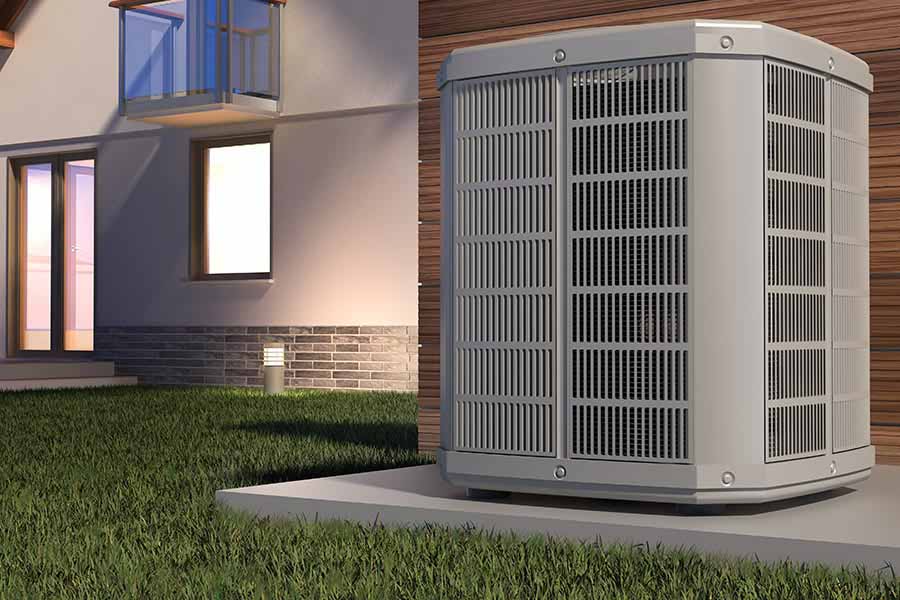
A heat pump moves heat rather than creating it. Using electricity, it pulls thermal energy from the outside air or the ground and transfers it indoors during winter, then reverses the process in summer to move heat out of the house. Because it is relocating energy instead of burning anything, a heat pump can deliver more heat than the electrical energy it consumes.
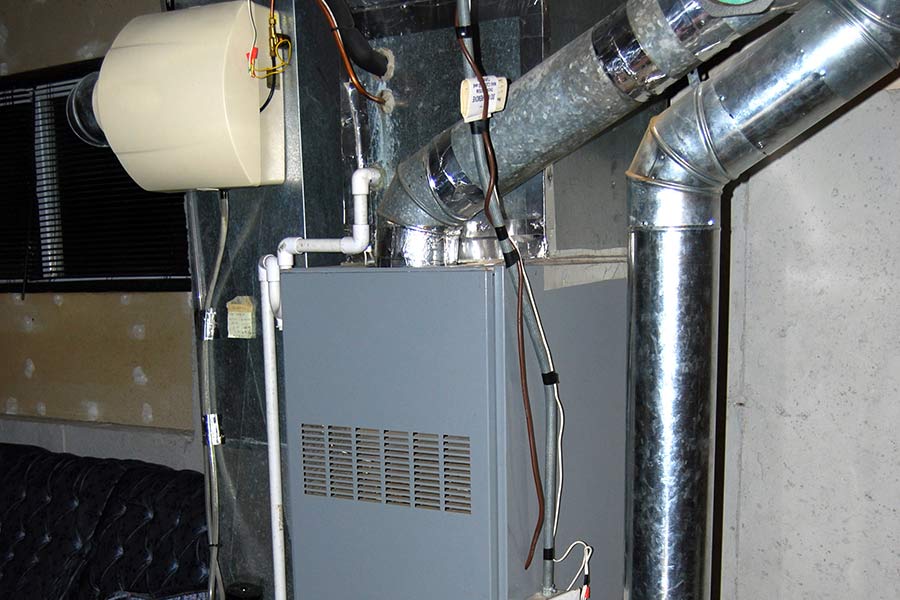
A furnace generates heat directly. Natural gas, oil, or propane is burned inside a heat exchanger, and a blower pushes the warmed air through the duct system. The result is a higher supply air temperature and a faster, more noticeable blast of warmth at the registers.
That single difference, moving heat versus making heat, drives nearly every other comparison between the two. It affects operating cost, performance in deep cold, fuel requirements, and what the installation looks like in your home. Based on what we see in Glastonbury properties, the existing ductwork, electrical panel capacity, and fuel line situation often narrow the field before anyone starts comparing efficiency ratings.
Benefits of Choosing a Heat Pump for Your Glastonbury Home
Heat pump technology has improved substantially over the past decade, and cold climate models now perform far better in New England than earlier generations did. Here is where they stand out:
- Year-round function from one system: A single piece of equipment handles both heating and cooling, which simplifies service scheduling and frees up space that a separate condenser and furnace would occupy.
- Lower operating cost per unit of heat: Transferring energy is more efficient than combustion, and many homeowners see a meaningful reduction in monthly energy spending, particularly in shoulder seasons.
- Reduced carbon footprint: No onsite fuel is burned, which appeals to homeowners working toward lower emissions and is often supported by state and utility incentive programs.
- Quiet operation: Modern variable speed compressors run at low stages most of the time rather than cycling hard on and off.
- Installation flexibility: Systems can tie into existing ductwork or be installed as ductless units, which matters in older Glastonbury homes where running new duct runs through finished walls is impractical.
Efficiency ratings are worth understanding when you compare models. SEER2 measures cooling performance and HSPF2 measures heating performance, and a technician should walk you through both numbers in the context of your home rather than handing you a spec sheet. Proper sizing matters even more than the rating itself. An oversized unit short cycles and never reaches its rated efficiency, which is why we perform a load calculation before recommending equipment for any heat pump installation in Glastonbury.
Advantages of Using a Furnace for Heating
Furnaces remain a strong choice in this part of Connecticut, and there are practical reasons they still account for a large share of the systems we service.
The most obvious advantage is heat output. A furnace delivers air in the 120 to 140 degree range, so recovery is fast when a house has cooled down overnight or after a door has been propped open during a delivery. In January, when temperatures along the Connecticut River valley settle into the single digits and the wind comes across the open ground near Route 2, that kind of output is reassuring.
Furnaces also tend to carry lower upfront equipment costs, which puts a full system replacement within reach for more households. Their performance curve does not flatten in extreme cold the way older heat pump designs did, and they are mechanically straightforward, with fewer components exposed to weather. With consistent care, a well built furnace commonly serves a home for fifteen to twenty years.
Most current models also pair cleanly with smart thermostats, giving you scheduling, remote adjustment, and usage data without additional equipment.
Longevity depends heavily on upkeep. Dirty burners, clogged filters, and neglected heat exchangers are the reasons we see systems fail early, not manufacturing defects. Annual professional service, including combustion analysis and safety inspection, is what separates a furnace that lasts two decades from one that quits at year twelve. Our technicians handle this work through scheduled furnace repair and maintenance visits so small issues get caught before they become no heat calls.
Key Factors to Consider for Your Glastonbury Home
Once you understand what each system does well, the decision becomes a matter of matching equipment to the specifics of your property. Four factors carry the most weight:
- Home size and envelope quality: Insulation levels, window condition, and air sealing determine how much heat the house loses. A tight, well insulated home holds temperature steadily and lets a heat pump work within its comfort zone. A drafty older home with original windows demands more aggressive output and may lean toward combustion heat or a hybrid setup.
- Current fuel source: Homes still running on delivered oil have a real opportunity here. If a natural gas line is available at the street, converting can reduce fuel costs and eliminate tank maintenance and delivery scheduling. We handle this work regularly through oil to natural gas conversions and can confirm whether service is accessible on your street.
- Local climate demands: Glastonbury winters bring extended cold snaps, not just occasional cold nights. Any system under consideration needs to hold design temperature during the coldest stretch of the year, not just average conditions.
- Total cost of ownership: Installation price is one line item. Monthly operating cost, available rebates, expected service intervals, and equipment lifespan all belong in the comparison, and the system with the lower sticker price is not always the lower cost over ten years.
In our service calls throughout Glastonbury, the homes where the choice goes wrong are almost always the ones where only one of these four factors got any attention.
Making the Right Decision: Heat Pump or Furnace?
Rather than weighing general pros and cons, work through your own situation in order.
Start with the house. Have a professional perform a Manual J load calculation. This establishes how much heating capacity your home actually requires at design temperature and rules out both undersized and oversized equipment.
Then look at infrastructure. Determine what your electrical panel can support and whether a gas line is available. These constraints often make the decision before preference enters the picture.
Then consider how long you plan to stay. A homeowner settling in for twenty years evaluates operating savings and rebates differently than someone expecting to sell within five.
Finally, consider a hybrid approach. A dual fuel system pairs a heat pump with a gas furnace, running the heat pump through mild and moderate conditions and switching to combustion heat when temperatures drop below the efficient crossover point. For many Glastonbury homes, this captures the strengths of both systems and is worth evaluating before committing to either one on its own.
There is no universally correct answer here. There is only the system that fits your home’s load, your available fuel, your budget horizon, and the way your family actually lives in the house.
Staying Comfortable Through Another Glastonbury Winter
Heat pumps and furnaces both have a legitimate place in Connecticut homes, and the right choice comes down to an honest assessment of your property rather than a general ranking of technologies. A load calculation, a look at your fuel and electrical situation, and a clear view of long term operating costs will point you toward the answer far more reliably than any comparison chart.
SM Mechanical Services is a family owned HVAC and plumbing company serving Glastonbury and the surrounding Hartford and Middlesex County areas, with licensed technicians and 24/7 availability when comfort cannot wait. If you would like a straightforward evaluation of your home before the cold settles in, contact our team today and we will walk you through the options that genuinely fit your house.