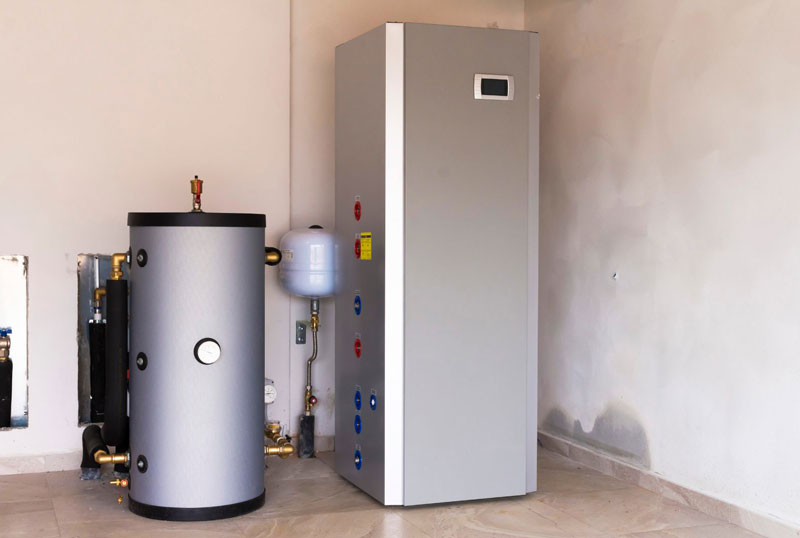
Emergency boiler repair starts with staying safe, not attempting the fix yourself. If you notice banging noises, a gas smell, leaks, or a boiler that will not restart, turn off the power, evacuate if you smell gas, and call a licensed technician right away. Trying to reset, bleed, or adjust the system yourself can make the problem worse.
Knowing how to respond can make all the difference when your boiler acts up. You might notice unusual noises, pressure changes, or a system that will not hold heat, and it is natural to want to fix things quickly. The good news is that most of what actually helps in an emergency is recognizing the signs, keeping the area safe, and getting the right information to a technician fast, not attempting repairs yourself. Here is what every Glastonbury homeowner should know.
What Are the Warning Signs of Boiler Trouble?
Recognizing the signs of trouble early can help you avoid a complete breakdown.
Watch for unusual noises like banging or gurgling, which can point to air in the system or sediment buildup. Fluctuating water pressure or frequent cycling on and off is another red flag, as is a boiler that struggles to heat your space consistently. Leaks or puddles around the unit can point to a serious issue, and a yellow flame instead of blue, or any rotten egg smell, should never be ignored.
Addressing these signs promptly can save you from costly repairs and help your home stay warm and safe. Regular maintenance also helps prevent issues like low system pressure from developing in the first place.
What Should You Do the Moment You Notice a Boiler Emergency?
How you respond in the first few minutes matters as much as anything a technician does afterward.
If you smell gas or notice a yellow flame instead of blue, evacuate the area immediately and call for professional help before doing anything else. Do not use light switches, phones, or other electronics inside the home, and do not attempt to relight a pilot light or investigate the source yourself.
For issues that do not involve a suspected gas leak, such as unusual noises, leaks, or a system that will not heat properly, locate your boiler’s power switch, typically found near the unit or on a nearby wall, and turn off the electricity. This step is about stopping the system safely, not repairing it.
Once the power is off, keep the area around the boiler clear and well lit, and wait for a licensed technician rather than opening panels or attempting adjustments yourself. Gather details that will help your technician, such as when the issue started, any unusual sounds, and what the pressure gauge or display shows, and have that information ready when they arrive.
Our emergency HVAC services in Glastonbury are available for exactly these situations, so you are never left waiting long once you have secured the area.
What Does Your Boiler’s Pressure Gauge Tell You?
Your boiler’s pressure gauge is one of the most useful things to check while you wait for a technician, since it gives them a head start on diagnosing the problem.
Most residential boilers should read between 1 and 2 bars when idle. A reading below 1 bar can point to low system pressure, while a reading above 2.5 bars can signal a more serious issue that needs immediate attention. Sudden swings in either direction are also worth noting.
Rather than attempting to add water or adjust the pressure yourself, which carries a real risk of a hot water burst if done incorrectly, simply record what the gauge shows and share it with your technician. That single detail often helps them arrive prepared with the right parts and approach.
How Do You Spot Leaks or Water Damage Around Your Boiler?
Leaks often go unnoticed until they cause real damage, so a quick visual check while you wait for help can be useful. Look around the boiler and nearby floor for dampness or pooling water, and examine pipe connections and joints for corrosion or moisture buildup. Check that seals and gaskets appear intact, and watch for discoloration on nearby walls or flooring, which can indicate a leak that has been developing for a while.
If you spot signs of a leak, turn off the boiler if you have not already, avoid touching the affected area, and contact a licensed technician for prompt assistance. Addressing leaks early helps prevent more extensive water damage and keeps your heating system running efficiently once repairs are complete.
What Should You Check Before Calling for Emergency Repair?
A few quick checks can sometimes point to a simple explanation before you assume the worst, and they give your technician useful information either way.
Start with your air filter. A dirty or clogged filter restricts airflow and circulation, so check whether yours is due for cleaning or replacement. Next, review your thermostat settings. Confirm the temperature is set higher than the current room temperature, that the mode is set to heat rather than cool or off, that any programmed schedule matches what you expect, and that the batteries are fresh if your thermostat runs on them. A surprising number of no-heat calls come down to a setting that changed by accident.
If you notice cold spots on radiators, unusual sounds near vents, or anything that looks like a blockage around pipes or drainage, make a note of it rather than attempting to clear it yourself. Trapped air, sediment, and blockages inside a closed heating system are best handled by a technician with the right tools, since an improper attempt can introduce new leaks or damage components that are otherwise fine.
Should You Try to Reset Your Boiler Yourself?
Many modern boilers include a reset or lockout indicator, and it can be tempting to press it and hope the system starts back up. Proceed carefully here.
A lockout usually means the system detected a fault, which could be something minor or something more serious involving pressure, ignition, or safety controls. Resetting the boiler without knowing why it locked out in the first place can mask an underlying issue or, in some cases, create a hazard if the fault involves gas or combustion.
If your boiler has tripped once and you have no other warning signs like a gas smell, unusual noise, or visible leak, checking your manual for your specific model’s guidance is reasonable. But if it will not restart, trips again shortly after, or shows an error code, stop and call a licensed technician rather than repeating the reset. Repeated resets on a system with an unresolved fault are one of the more common ways a manageable issue turns into a bigger repair.
Why Should You Always Call a Licensed Technician for Boiler Repair?
Boiler systems involve high pressure, steam, and in most Connecticut homes, natural gas, which makes DIY repair attempts genuinely dangerous rather than simply inconvenient. Attempting to troubleshoot or fix a boiler yourself can lead to gas leaks, fires, scalding injuries, or a system failure that costs far more to repair than if a professional had handled it from the start.
Licensed technicians bring a few specific advantages that go beyond convenience:
- Expertise: They have the training to accurately diagnose the actual cause rather than guessing at symptoms
- Compliance: They understand local codes and regulations, so repairs meet current safety standards
- Warranty protection: Professional repairs typically preserve your manufacturer’s warranty, while DIY attempts often void it
- Peace of mind: Knowing a qualified technician handled the repair means one less thing to worry about through the rest of the season
If you notice unusual noises, leaks, a gas smell, or a boiler that will not restart, the safest and most cost effective path is the same every time. Secure the area, then call a professional rather than attempting a fix yourself. Our professional heating services team is available whenever your home needs a licensed technician for boiler or furnace repair.
How Does Regular Boiler Maintenance Prevent Emergencies?
Most boiler emergencies do not appear out of nowhere. Routine maintenance catches small issues, like minor pressure drops, early signs of corrosion, or a component nearing the end of its life, before they turn into a no-heat call in the middle of winter.
A trained technician will check for leaks, clean key components, and assess overall performance during a maintenance visit, which extends the system’s lifespan and keeps it running efficiently. An efficiently running boiler also tends to lower your energy bills, so the visit often pays for itself over time.
Set a schedule for annual maintenance, and consider more frequent seasonal checkups if your system is older or has a history of issues. Our seasonal boiler maintenance plans are built around exactly this kind of proactive care. If a maintenance visit reveals that your system is nearing the end of its life, our team can also walk you through oil to natural gas boiler conversions in Glastonbury as a long term upgrade option.
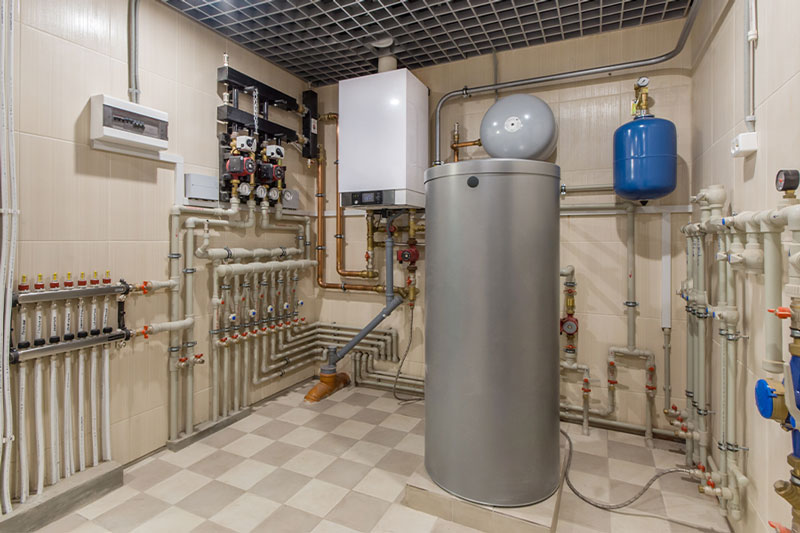
Staying Ready for Winter in Your Glastonbury Home
Think of your boiler the way you would think of a car’s engine. Ignore the warning signs long enough and you risk being stranded when you need it most. Recognizing trouble early, keeping the area safe, and calling a licensed technician rather than reaching for a wrench are the habits that keep a small issue from becoming a costly breakdown.
In our service calls throughout Glastonbury, from South Glastonbury to the Naubuc section, SM Mechanical Services has helped homeowners work through exactly these situations for years. Schedule emergency boiler repair today and let our licensed technicians get your heat back on safely.
Frequently Asked Questions About Emergency Boiler Repair
What should I do first if my boiler is making unusual noises?
Turn off the boiler’s power at the switch, note when the noise started and what it sounds like, and call a licensed technician. Unusual noises like banging or gurgling often point to air or sediment in the system, which a professional can diagnose safely.
Is it safe to reset my boiler myself?
A single reset attempt after a minor trip with no other warning signs is generally low risk, but repeated resets are not. If the boiler will not restart, trips again, or shows an error code, stop resetting it and call a technician instead.
What does a boiler pressure gauge reading mean?
Most residential boilers should read between 1 and 2 bars when idle. Readings below 1 bar or above 2.5 bars can indicate a problem, and sudden swings in either direction are worth reporting to your technician.
Can I add water to my boiler myself if the pressure is low?
Adjusting boiler pressure carries a real risk of a hot water burst if done incorrectly, so it is best left to a licensed technician. Record the pressure reading and share it with your technician instead of attempting the adjustment yourself.
How often should I schedule boiler maintenance to avoid emergencies?
Most homes benefit from annual boiler maintenance, ideally before the heating season begins. Older systems or units with a history of issues may benefit from more frequent seasonal checkups to catch problems before they turn into emergencies.