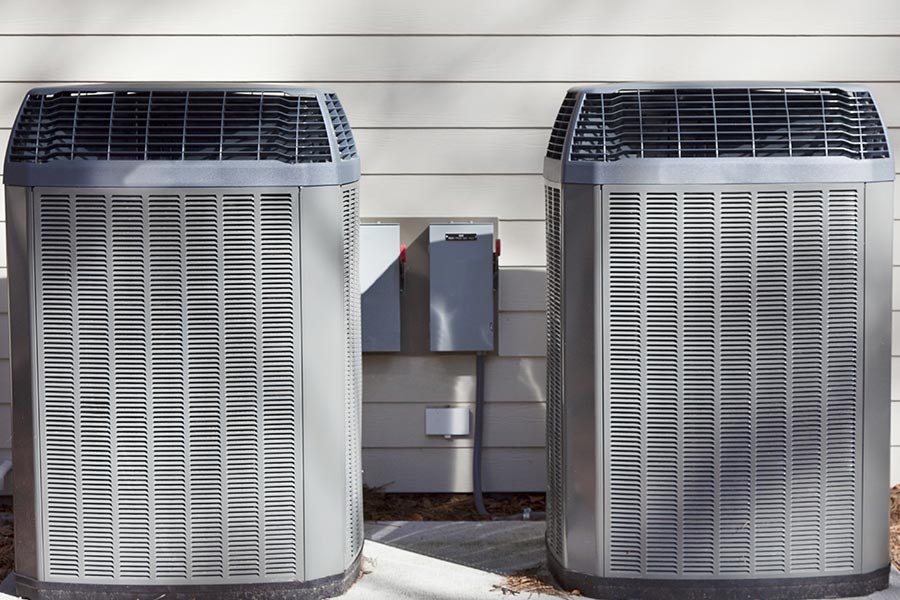
Glastonbury’s climate swings hard in both directions, with humid summers along the Connecticut River valley and cold winters that push heating systems to their limits. That seasonal range means residential HVAC equipment rarely gets a long break, and the wear that accumulates over years of heavy use tends to surface as warning signs before it fails. In service calls throughout Glastonbury, from properties near Hebron Avenue to homes in the South Glastonbury area, the same five emergencies appear repeatedly. Each one is serious, and none of them resolves on their own.
1. Poor Airflow
Reduced airflow is one of the most common early indicators of a developing HVAC problem and is also among the most frequently dismissed. When a system cannot move air properly, it compensates by running longer cycles and working harder to reach the thermostat setpoint. That added strain accelerates wear across multiple components simultaneously.
The consequences of ignoring poor airflow include:
- Higher energy costs: A system struggling with airflow restriction draws more power to deliver the same or less output, which shows up directly in monthly utility bills.
- Uneven comfort: Rooms furthest from the air handler, or on upper floors, receive less conditioned air and become noticeably warmer in summer or cooler in winter.
- Component damage: Sustained operation under airflow stress puts excessive load on the blower motor, heat exchanger, and compressor, any of which can fail if the underlying cause is not addressed.
Airflow problems can have several causes, including dirty filters, blocked return vents, duct leaks, and failing blower components. Identifying the actual cause requires a professional inspection rather than guesswork.
2. A Malfunctioning Thermostat
The thermostat is the brain of the HVAC system, and when it is not reading or communicating accurately, everything downstream is affected. A thermostat that senses temperature incorrectly will signal the system to run when it should not, or fail to signal it when it should, producing conditions that are both uncomfortable and hard to diagnose without the right tools.
Common signs of thermostat problems include:
- Continuous system operation that does not stop even after the home has reached the set temperature
- Frequent short cycling, where the system turns on and off repeatedly without completing a full conditioning cycle
- Temperature readings that do not match conditions in the room where the thermostat is located
- Rooms that remain uncomfortable despite the thermostat appearing to function normally
Left unaddressed, a faulty thermostat puts unnecessary mechanical stress on heating and cooling equipment and drives up energy costs. Regular calibration checks during professional HVAC maintenance visits catch thermostat drift before it becomes a persistent problem.
3. Strange Noises During Operation
A properly functioning HVAC system operates with a consistent, predictable sound profile. When that profile changes, the new sound is almost always communicating something specific about what is happening mechanically inside the equipment.
Different sounds point to different problems:
- Clanking or banging typically indicates a loose or broken component inside the air handler or blower assembly, which can cause additional damage if the system continues to run.
- Hissing often points to a refrigerant leak or air escaping from a duct connection, both of which reduce system efficiency and require professional attention.
- Buzzing frequently signals an electrical issue, such as a failing capacitor, loose wiring, or a contactor beginning to wear out.
- Rattling can indicate debris in the system or a loose panel, but it can also signal early-stage component failure.
When unfamiliar sounds occur, the appropriate response is to shut down the system and contact a licensed technician. Continuing to run equipment that is making unusual noises risks turning a manageable repair into a more costly one. For Glastonbury homeowners, emergency HVAC services are available around the clock so that unusual sounds do not have to mean a night without heating or cooling.
4. Refrigerant Leaks
Refrigerant leaks are among the more serious HVAC issues a homeowner can face, both because of their impact on system performance and the health risks associated with refrigerant exposure. A system low on refrigerant cannot transfer heat effectively, which means it runs longer, works harder, and still delivers less comfortable conditions.
The risks associated with refrigerant leaks extend beyond equipment performance:
- Health concerns: Certain refrigerants, when leaked into living spaces, can cause respiratory irritation, dizziness, and, in cases of significant exposure, more serious health effects.
- Environmental impact: Refrigerants released into the atmosphere carry environmental consequences and are subject to EPA regulations regarding proper handling and disposal.
- Compressor damage: A compressor operating with insufficient refrigerant is at high risk of overheating and failure, which is one of the most expensive repairs in any HVAC system.
Refrigerant work requires EPA certification and specialized equipment. This is not a repair category that lends itself to any homeowner intervention.
5. Frequent Cycling and Inconsistent Temperatures
An HVAC system that cycles on and off repeatedly without completing full conditioning cycles, or one that cannot maintain consistent temperatures throughout the home, is signaling that something is wrong with its ability to perform under normal operating conditions. This behavior, called short cycling, places significant mechanical stress on the compressor and other components with every start-up sequence.
Short cycling and temperature inconsistency can stem from several sources:
- Oversized or undersized equipment that was never properly matched to the home’s load requirements
- A refrigerant charge that has dropped below design specifications
- The thermostat malfunctions, sending incorrect signals to the system
- Blocked airflow prevents the system from completing a proper cycle
Whatever the underlying cause, frequent cycling should be evaluated promptly. The air conditioning and ventilation systems in homes that experience repeated short cycling accumulate wear at an accelerated rate, and the cumulative damage shortens equipment lifespan considerably.
Recognizing the Pattern Before It Becomes a Crisis
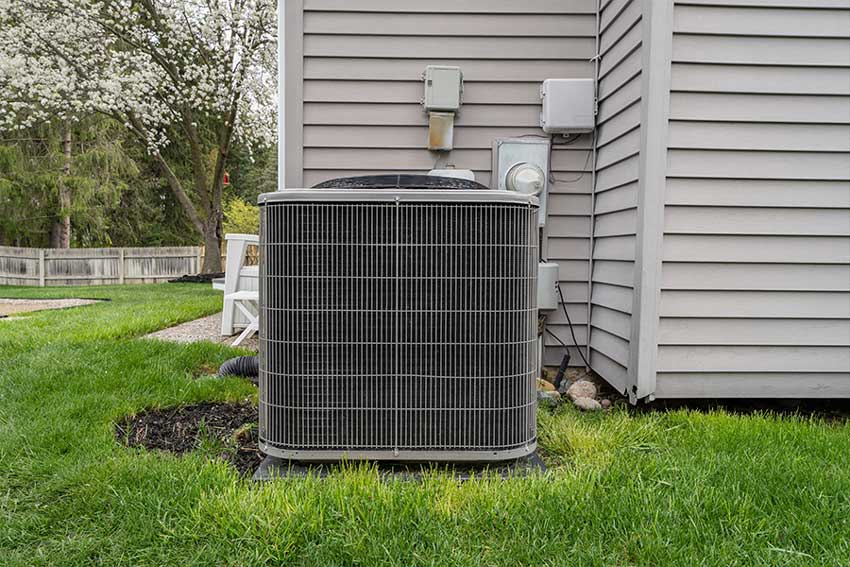
Each of the five emergencies above shares a common characteristic: they develop gradually and present early indicators that are detectable before a complete system failure occurs. Glastonbury homeowners who stay attentive to changes in their system’s behavior, sounds, temperatures, and energy costs are consistently better positioned to address problems at the repair stage rather than the replacement stage.
For any of these warning signs, the right next step is a professional evaluation by a licensed technician who can diagnose the actual cause and recommend a clear path forward.
SM Mechanical Services provides 24/7 emergency HVAC service throughout Glastonbury and the surrounding Hartford County area. Contact our team today to schedule an inspection or get help when you need it most.