Energy efficiency gets discussed in generalities more often than it gets explained. Homeowners hear about ratings, rebates, and savings percentages without ever getting a clear answer to the practical question underneath all of it: what does an efficient system actually do differently, and is it worth the cost of getting there.
Based on what we see in Glastonbury properties, the answer depends heavily on the house. A well sealed home off Hebron Avenue and a drafty 1920s colonial near Main Street respond very differently to the same equipment. Connecticut’s climate pushes systems hard in both directions, with humid summers along the Connecticut River valley and heating seasons that regularly hold below freezing for weeks. Efficiency matters here precisely because the equipment runs so many hours a year. Before committing to anything, it helps to confirm your address is covered in the Glastonbury and surrounding Hartford County towns we serve.
Understanding Energy-Efficient HVAC Systems in Glastonbury
Efficiency describes how much useful heating or cooling you get for the energy you pay for. An efficient system is not one that runs less. It is one that converts or moves energy with less waste while it runs.
Three ratings carry most of the weight:
- SEER2: Measures cooling efficiency across a full season. Federal minimums are set by region, and split system air conditioners in the northern region, which includes Connecticut, are currently held to a minimum of 13.4 SEER2. Higher performing equipment reaches well into the high teens and low twenties.
- HSPF2: Measures heating efficiency for heat pumps. It matters more than SEER2 for anyone using a heat pump as a primary heat source through a Glastonbury winter.
- AFUE: Measures how much fuel a furnace or boiler converts into usable heat. A unit rated at 95 percent AFUE delivers 95 cents of heat for every dollar of fuel, with the remainder leaving through the flue.
These numbers describe laboratory performance, not your house. A system rated at 20 SEER2 that is oversized, connected to leaking ductwork, or installed with an incorrect refrigerant charge will not deliver anything close to its rating. This is the part that gets lost in equipment shopping: installation quality and system design determine real world efficiency at least as much as the sticker on the condenser does.
Equipment staging matters too. Single stage systems run at full output or not at all. Two stage and variable capacity systems modulate, running longer at lower output, which holds temperature more evenly, removes more humidity in summer, and draws less power than repeated full speed starts.
Key Benefits of Upgrading to an Energy-Efficient System
The case for upgrading is broader than the utility bill, though that is usually what starts the conversation.
Lower operating cost: Savings depend on what you are replacing, how your home is built, and how you use the system. Moving from aging, failing equipment to modern high efficiency equipment produces a real and noticeable difference. Moving from a well maintained mid efficiency system to a premium one produces a smaller one. An honest contractor will estimate this for your specific situation rather than quoting a percentage from a brochure.
Better comfort, not just lower bills: Modulating equipment eliminates the temperature swings that come with hard on and off cycling. Rooms hold their setpoint, humidity stays controlled through July and August, and the house stops feeling cold and clammy or overshooting and stuffy.
Improved air filtration: Higher end systems accommodate better filtration and often pair with dedicated air cleaning and ventilation equipment, which matters during the months when Glastonbury homes stay closed up.
Quieter operation: Variable speed compressors and blowers spend most of their time at low stages, which is noticeable both outdoors and at the registers.
Property value and marketability: Newer, efficient mechanical systems are one of the first things buyers ask about, and documented recent installation removes an obvious negotiating point.
Reduced emissions: Less energy consumed means lower greenhouse gas output, and electric heat pumps in particular get cleaner over time as the regional grid does.
Connecticut also runs utility sponsored rebate and incentive programs for qualifying high efficiency equipment, and those programs change periodically. Any contractor you work with should know what is currently available and handle the paperwork rather than leaving it to you.
How to Choose the Right Energy-Efficient HVAC System for Your Home
Selection follows a sequence, and skipping steps is how homeowners end up with expensive equipment that underperforms.
- Start with a load calculation: A Manual J calculation establishes how much heating and cooling your home actually needs based on square footage, insulation, window area and orientation, air leakage, and local design temperatures. Sizing by rule of thumb or by matching the old unit is the single most common cause of poor performance. Oversized equipment short cycles, never reaches rated efficiency, and leaves summer air damp.
- Evaluate the distribution system: Ductwork that leaks or was never sized correctly will undercut any equipment attached to it. Efficient equipment feeding a compromised duct system is money spent in the wrong place.
- Match the system type to the house: Central air paired with a furnace remains a strong fit for homes with sound ductwork. Heat pumps offer year round operation from one system, and heat pump installation has become considerably more viable as cold climate models have improved. Ductless mini split systems solve additions, converted attics, and older homes where new duct runs are impractical. Dual fuel setups pair a heat pump with a furnace for the coldest stretches.
- Consider your existing fuel situation: Homes still on delivered oil should ask whether natural gas service is available at the street, since fuel type affects operating cost as much as equipment efficiency does.
- Budget across the full lifespan: Purchase price, installation, available rebates, projected operating cost, and expected service life all belong in the comparison. The lowest bid frequently reflects a shortened scope of work rather than a better price.
- Vet the contractor as carefully as the equipment: Ask whether a load calculation is included, how the system will be commissioned, what the warranty covers, and who performs the work. Manufacturer warranties often depend on documented professional installation and maintenance.
Signs Your Current HVAC System Needs an Upgrade
Efficiency improvements matter most when the existing system is already telling you something. Watch for these indicators:
- Rooms that no longer hold the same temperature: Uneven conditioning that has worsened over time usually points to declining capacity or a distribution problem, not to thermostat settings.
- Repair frequency climbing: Multiple service calls within a couple of seasons, particularly on a system past twelve to fifteen years, shifts the math toward replacement.
- Energy costs rising without a matching change in rates or usage: Gradual efficiency loss shows up on the bill before it shows up as a failure.
- Noise that was not there before: Rattling, grinding, or banging indicates mechanical problems that deserve prompt attention regardless of the age of the system.
- Humidity that will not come down in summer: A house that feels damp despite adequate cooling often has an oversizing or airflow issue that a properly designed replacement resolves.
- Refrigerant type: Older systems using discontinued refrigerants become progressively more expensive to service as supply tightens.
When several of these appear together, replacement usually costs less over five years than continuing to repair. Our technicians will tell you honestly when a system has useful life left, and when a new air conditioning installation is the more sensible investment.
Protecting the Efficiency You Paid For
Efficiency is not a permanent condition. Systems drift from their rated performance as filters load, coils foul, refrigerant charge changes, and duct connections loosen.
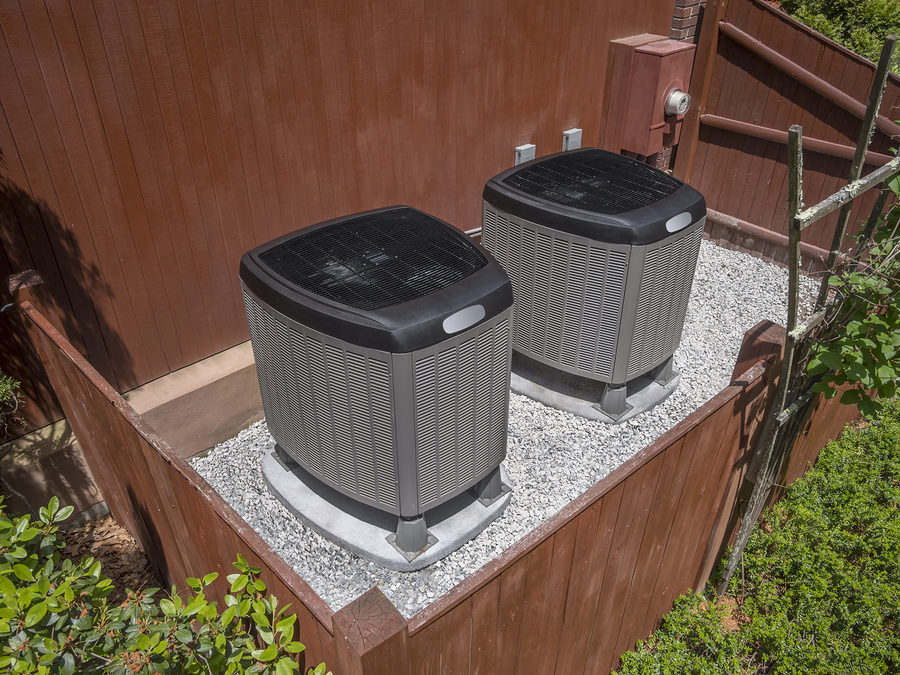
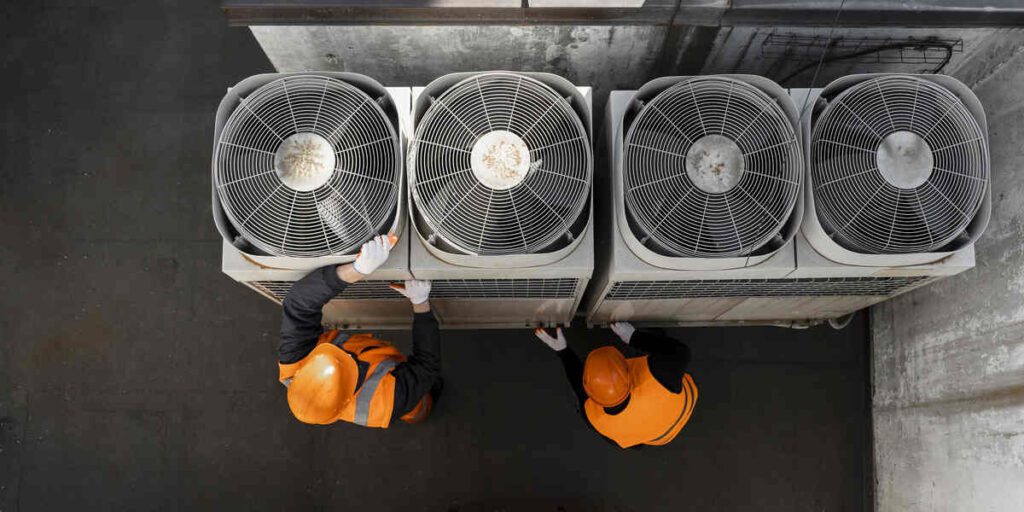
Filter changes belong to the homeowner, along with keeping the outdoor unit clear of leaves, snow, and encroaching plantings. Everything measurable belongs to a technician. Verifying refrigerant charge, testing electrical components, checking static pressure, cleaning coils properly, and confirming temperature split or rise all require instruments and training, and these are exactly the items that quietly erode efficiency when nobody checks them. Annual AC maintenance in spring, paired with heating service in fall, keeps equipment performing at the level you purchased.
Thermostat behavior plays a role as well, though the approach differs by system type. Setbacks work well with furnaces. Heat pumps prefer steadier settings, since aggressive recovery can call on backup electric heat and erase the savings.
Making a Smart Efficiency Decision for Your Glastonbury Home
The right move depends on where your equipment stands today. If your system is under ten years old and running reliably, maintenance and duct sealing will deliver more value per dollar than replacement. If it is aging, repair prone, or struggling to keep up, a properly sized and professionally installed high efficiency system pays back across comfort, operating cost, and reliability at once.
What does not vary is the importance of the design work behind the installation. Efficient equipment installed carelessly performs like ordinary equipment, and no rating on the box compensates for a system that was never matched to the house.
SM Mechanical Services is a family owned HVAC and plumbing company serving Glastonbury and the surrounding Hartford and Middlesex County areas, with licensed technicians, service for all makes and models, and 24/7 emergency availability. If you would like a clear evaluation of your current system and what an efficiency upgrade would actually mean for your home, contact our team today.